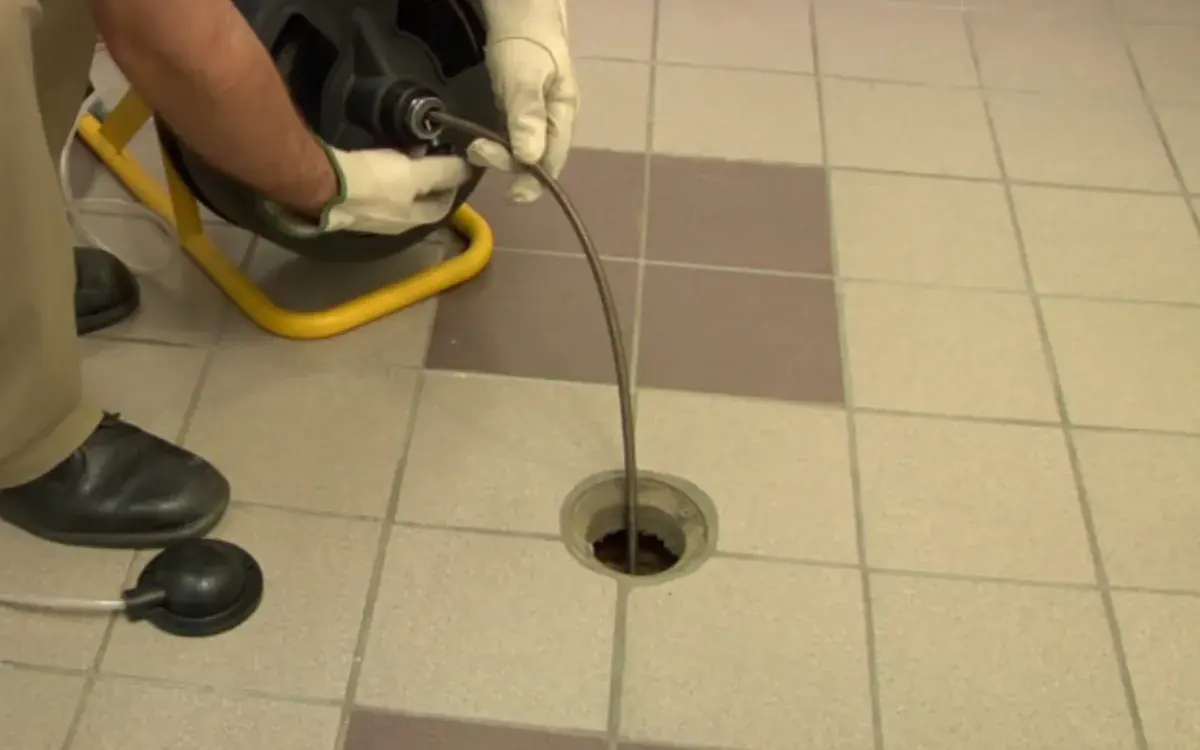
First, Work Out How Big the Problem Is
Where the clog sits decides what will work. If only one sink or tub is slow, the blockage is in that fixture or its short branch. If a toilet, a tub and a floor drain all misbehave, the blockage is in the main line, and a plunger will not reach it.
Run water in two or three fixtures and watch for gurgling or water appearing where it should not. Write down what you see, because it will help the plumber if you do need to call.
From Plunger to Plumber: A Safe Order of Attack
Work down this table one row at a time. Each step is gentler than the next, so you only escalate when the last one fails.
| Step | Tool | Best for | Stop and call if |
|---|---|---|---|
| 1 | Cup plunger | Sinks, tubs and showers with a visible stopper. | Water does not move after several tries. |
| 2 | Hot tap water and dish soap. | Light grease in kitchen sinks. | Water stays in the basin. |
| 3 | Clean the trap by hand. | Hair, soap and small objects. | The trap is clear but the drain is still slow. |
| 4 | Drain stick or hand snake. | Hair in tubs and bathroom sinks. | The snake hits a hard stop or comes back clean. |
| 5 | Flange plunger for toilets. | Toilet clogs | Water rises toward the rim or other fixtures gurgle. |
| 6 | Call a plumber. | Main line, repeat clogs, sewage. | Any sign of backup into floor drains. |
If you reach step 6, you have already ruled out the easy fixes. Tell the plumber what you tried.
Plunger and cable got you nowhere?
When every fixture is slow, the blockage is probably in the main line. Call and we will bring the right machine.
How to Plunge a Sink or Tub Properly
Most people plunge too fast and with too little water. Slow, firm pressure moves the clog more than quick jabs.
Seal the other openings
Plug the overflow with a wet rag and block the second basin of a double sink. The pressure has to go down the drain, not out of the other opening.
Add water
There should be enough water in the basin to cover the cup of the plunger. A dry plunger pushes air, not water.
Seat the cup and push
Press the cup flat over the drain, then push and pull firmly for about twenty seconds without breaking the seal.
Release and check
Pull the plunger away fast. If water drains, run hot water for a minute to flush the loosened material.
Repeat a few times
Three or four rounds is plenty. If nothing changes, move to the trap.
Cleaning the Trap Under a Sink
Put a bucket under the trap and unscrew the slip nuts by hand or with channel locks. Lift the curved section away and empty it into the bucket. Rinse it in a utility sink, not the bathroom basin.
Clean any hair, grease or gunk from the inside and check the washers before you put it back. Hand-tighten the nuts, then run water and check for drips with a dry paper towel. A trap that has not been opened in years may be stuck, and a stuck nut is a reason to stop, not to force it.
Chemical openers are strong acids or alkalis. In a drain that is fully blocked they sit in the standing water, where they can burn skin and eyes, damage older pipe and release fumes. The next person to open the trap, perhaps your plumber, inherits that risk.
Never mix two different cleaners, and never pour a chemical into a toilet that is full and rising. Gloves and eye protection are the minimum if you do use one, and a plunger or snake is nearly always safer. If you already used a chemical, tell the plumber when you call.
Habits That Keep Drains Clear
Most clogs build slowly. These habits prevent the common causes.
- Use a hair catcher in the tub and shower drains and empty it weekly.
- Wipe greasy pans with a paper towel before washing and bin the towel.
- Run hot water for a minute after washing dishes to move grease along.
- Never flush wipes, even those labeled flushable, or paper towels.
- Keep a small plunger and a drain stick where you can reach them.
- Pay attention to a drain that is slower than last month and deal with it early.
A slow drain is a warning. Dealing with it when it is slow costs less than dealing with it after it stops.
Hawthorne Houses, Storms and Floor Drains
Hawthorne has older housing, with a median build year of 1953 and about 60 percent of units built before 1960. Original cast iron and clay lines are common, and they roughen with age. If a drain keeps clogging after a clean, the line may have scale or roots, and a camera will show it.
The borough's environmental inventory records flooding along Lafayette Avenue, Rea Avenue, Wagaraw Road and Goffle Road during Tropical Storm Henri in August 2021, and Ida followed on September 1, 2021 with 6.28 inches of rain. In storms like that, a basement drain can back up even when the rest of the house is fine.
That backup may be sewage, so stay out of the water, keep children and pets away, and do not run laundry. If a drain backs up only in heavy rain, tell your plumber on the call.
Signs You Need a Plumber, Not Another Attempt
Call if several fixtures are slow at once, if water or sewage comes up in a floor drain, or if the same drain clogs again within weeks. A snake that will not pass a certain point may have found a root, a collapsed section or a bend that needs a camera.
Our drain cleaning crew uses cables and a camera to find and clear the cause, and a long run of grease or scale may call for sewer line cleaning with a jetting machine. We cover Glen Rock and nearby towns too, and the 24/7 line takes calls at night and on weekends.
Common Questions
A cup plunger and a clean trap solve most sink and tub clogs. A hand snake or drain stick is the next step for hair. These tools avoid the risks of chemicals and keep the clog out of your pipes.
If a toilet, a tub and the basement floor drain are all slow or gurgling together, the blockage is probably in the main. A plunger will not clear it. Stop running water and call.
A closet auger made for toilets is safe on the porcelain. A regular drain snake can scratch the bowl. If an auger does not clear it, there may be a deeper blockage and the toilet may need to be pulled.
The pipe may be narrowed by grease, scale or rust, or it may have a belly, roots or a cracked joint. A camera inspection shows which. Repeating a quick fix wastes money and time.
It is fine for grease in metal pipes, but it can soften or warp PVC and plastic traps and can crack a porcelain sink. Very hot tap water is safer. Let a kettle cool for a minute first if you use one.
During storms the ground is saturated and groundwater can seep into older pipe joints. Sewer lines run full and push water back into low drains. Tell your plumber about the pattern, since cabling alone may not fix it and a camera or other options may be needed.
Local figures on this page come from the borough's Environmental Resource Inventory and U.S. Census Bureau American Community Survey estimates. Check current numbers with those sources before you rely on one.